Identity: Peeling Back the Layers of Illusion
Let’s explore how programmed responses, childhood trauma, and our oldest shadows influence who we think we are.
Yashoda Manickchund
11/18/20254 min read
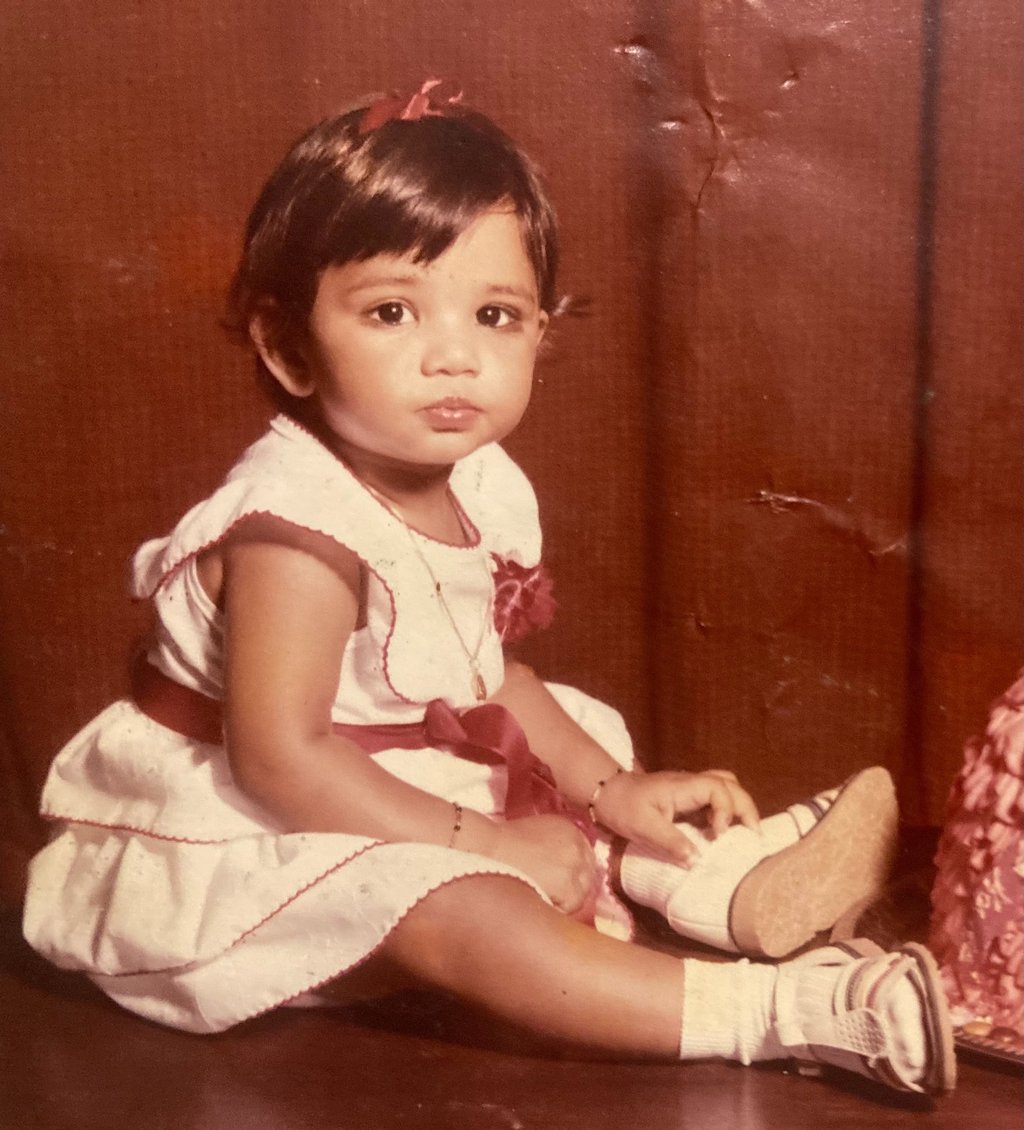
Hi, I’m Yashoda, a paediatric surgeon turned holistic healer at Yashoda Yatra. In my journey of self-discovery, I’ve come to see how deeply our identities shape us—often without us realising it. This isn’t just philosophy; it’s a practical lens for untangling the illusions that hold us back. Join me as we delve into the shadows and seek the light beyond.
The Shadow's Grip: Where Decisions Really Come From
Childhood trauma often forms our oldest shadow, subtly controlling our lives. We walk through the world convinced our choices stem from logic or emotion—both easily justified by the ego's wily tricks. Bad decisions? It’s love. Good ones? It’s logic. But beneath it all, it’s the shadow pulling the strings.
This shadow becomes the identity we cling to. Every label—whether "successful," "wounded," or "spiritual"—adds another layer of illusion. Which is reality, and which is the facade? It’s an elaborate story designed to keep us engaged in the play, forgetting we’re the actors. Who directs this narrative? Our shadows, demons, and labels—whatever we’ve decided to hold onto. Yet, these labels exist only to help us relate to the world and create experiences. They’re not who we truly are.
Even spirituality can become an identity. How long will you hold onto that one? Being a "good person" is a noble label, but true self-realisation demands facing the shadows lurking behind it head-on.
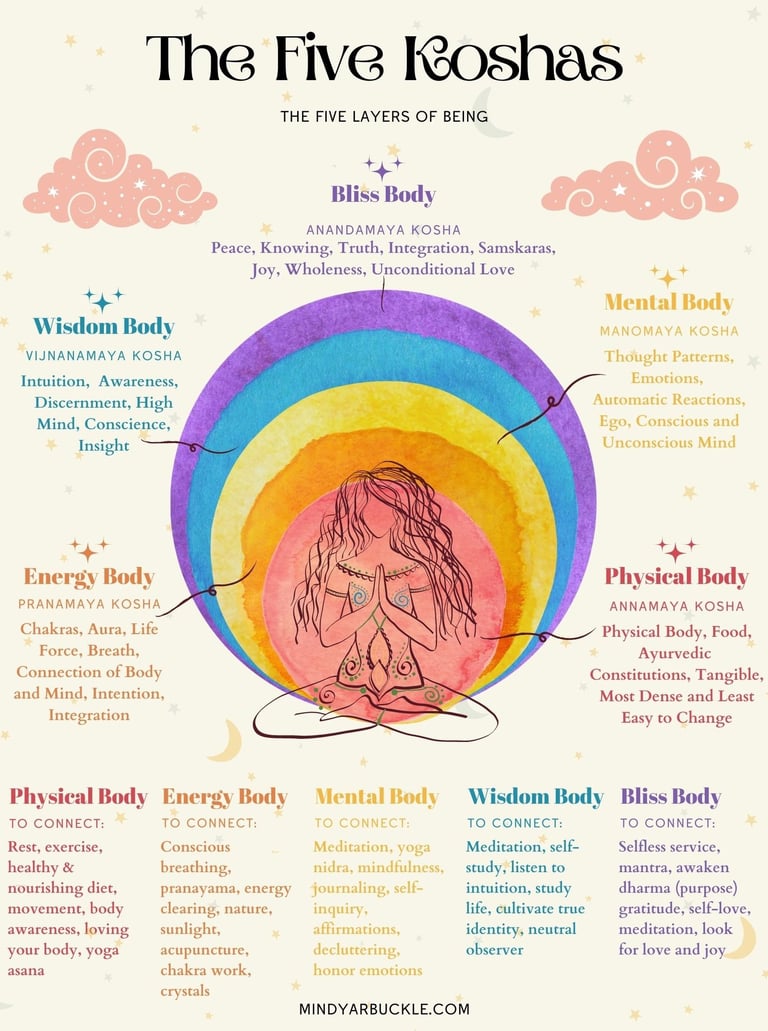
The Layers of Identity: From Physical to Profound
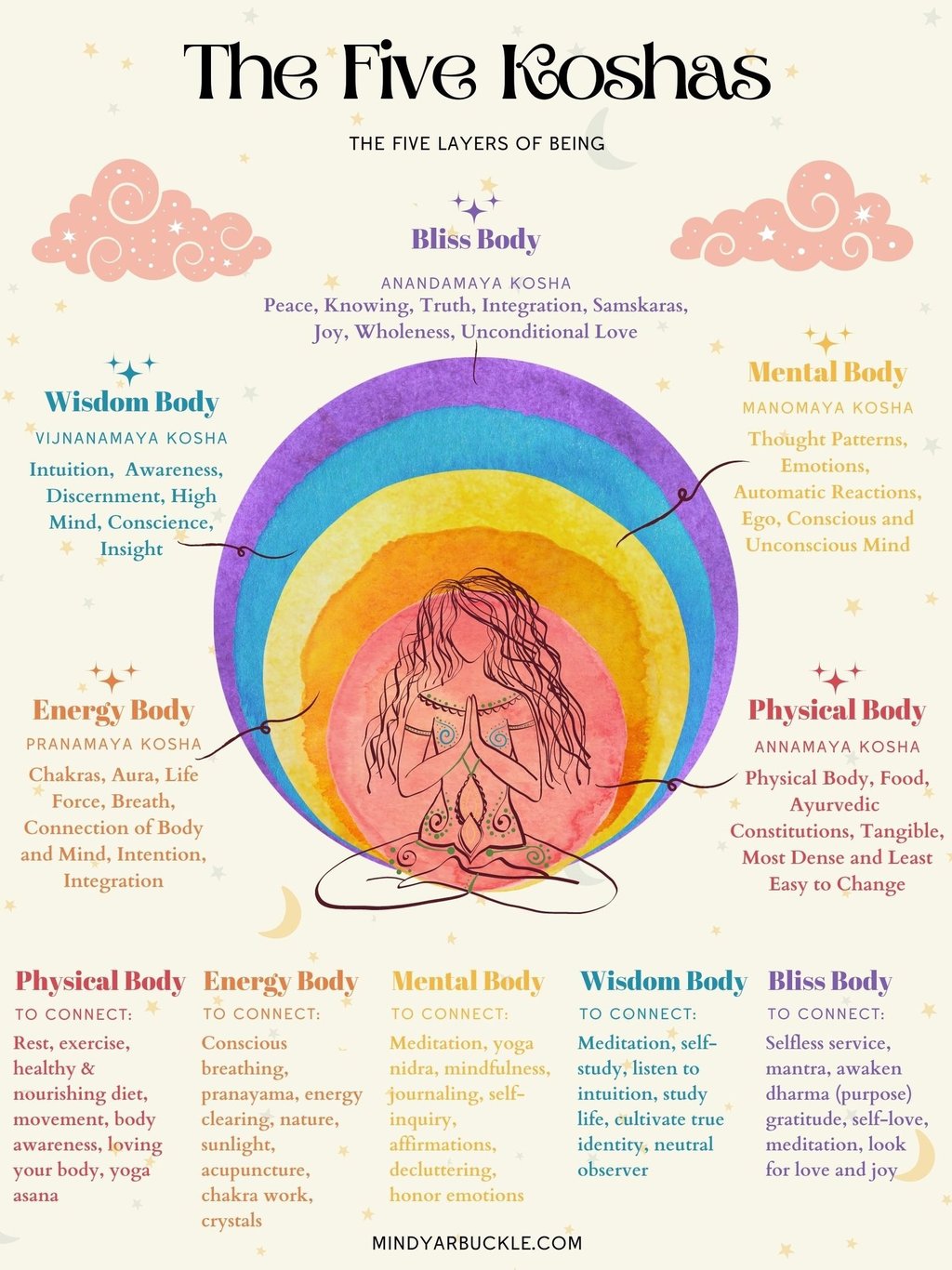
It starts with the physical—what feels most tangible. I’m a woman. I’m of medium build. I’m Indian. I’m a paediatric surgeon. We assign "good" or "bad" to these, confusing them with belonging when they’re merely tools for experiencing the world. Do you accept them as your core essence? They’re what we identify with most strongly because others can see and verify them.
In today’s world, some reject these labels pathologically, claiming new ones to belong to a "better" group. It feels like rebellion against society’s expectations, offering a false sense of freedom—but it’s still clinging.
We even attach to chronic conditions: I am a woman with endometriosis. What we should be asking is what is our pain trying to tell us? What is our body giving us signals about in our mind?
Deeper layers emerge: I’m empathetic. I’m loving. I’m kind. I’m selfish. I’m a loner. I’m addicted to [blank]. I’m gullible. I’m easily manipulated. These play out in countless ways, especially in relationships, where others mirror them back. But if you look closer, they are a dance of opposites and you will find them both in yourself. If we are really honest, all the opposites have risen in us at some point. We have felt them all. If you choose to suppress them, you will find them in the others in your life. This is what we begin to resent in others, because we resent it in ourselves.
The Buddha gave us the ‘Middle Way’, to walk the tight rope between the extremes of opposites. Not to deny them, or attach to them, but to approach them with equanimity and awareness.
The mind claims more: I’m an empath. I’m an intellectual. I’m wounded. I operate from fear of abandonment due to childhood trauma. I have ADHD. I’m neurotic. I’m a perfectionist. Nowadays, there are pills promising to "fix" these. But true healing lies elsewhere. The first step is finding these labels that we may unconsciously be acting out, and practise the self inquiry required, to find their roots.
Peeling Back the Layers: Toward the True Self
It’s in peeling back the layers one by one, that you have to see them, how they control you, and then accept them. Not as who you really are but for what they really are. Just layers of experience. Shadows cast by your light through the fog of ignorance. Because you came to experience that! And then to see through it to the real Self. Your true nature as a soul. A spark of the divine. Untouched, unlabelled, pure consciousness. Is it good or bad? It is neither. Neti Neti Neti. (not this, not that)
But how do you even conceptualise something that is nothing? The closest I have come is to explore the meaning of infinity. Of the seemingly impossible vastness of the universe. Infinite space. Infinite consciousness. God.
I’ve read spiritual texts, heard these truths, even shared them with others. Sometimes I even touch it in moments of realisation in yoga, devotion, sadhana and meditation. But can I say this is where I operate from? This is my reality? No. This is why knowledge can only take you so far, experience can take you further. But it’s in the individuation of the self that you discover who you are not, so you can discover who you are. And that will slowly, slowly give you more peace. Day by day in awareness. One step at a time. Holding onto God’s feet asking for forgiveness, mercy and grace.
What you must realise is that what you are praying for is painful, sometimes tragic, often feeling like parts of you are dying. But keep going, strip the illusions one by one until that peace becomes more and more the reality and the truth. You won’t believe it until you do. No matter how many books you read, how perfect you try to be, how many people you can convince.
The Phoenix Rises: Embracing the Process
Will it make you inert? Isolated? Lost? Yes, for a time. It is part of the process. The ashes that the phoenix can rise from. Will you be a walking sage? Separate from the chaos of the world? No, it’s with the wisdom of the truth of reality that we can play in the story with strength and passion, enjoy it more and accept the story as it is. Because it is the experience that carries all our lessons for growth. The experience that even when seen as suffering, is just trying to teach us who we really are and why we came.
Plato wanted us to see that we were only dealing with shadows. I want to leave the cave. Who’s with me?
Disclaimer: These are my personal insights and not a substitute for professional medical or psychological advice. Please consult qualified health professionals for personalised support.
Yashoda Yatra
Holistic healing through ancient and modern practices.
INQuiRY
info@yashodayatra.com
© 2025. All rights reserved.
Consultation
Connect